November 3, 2026
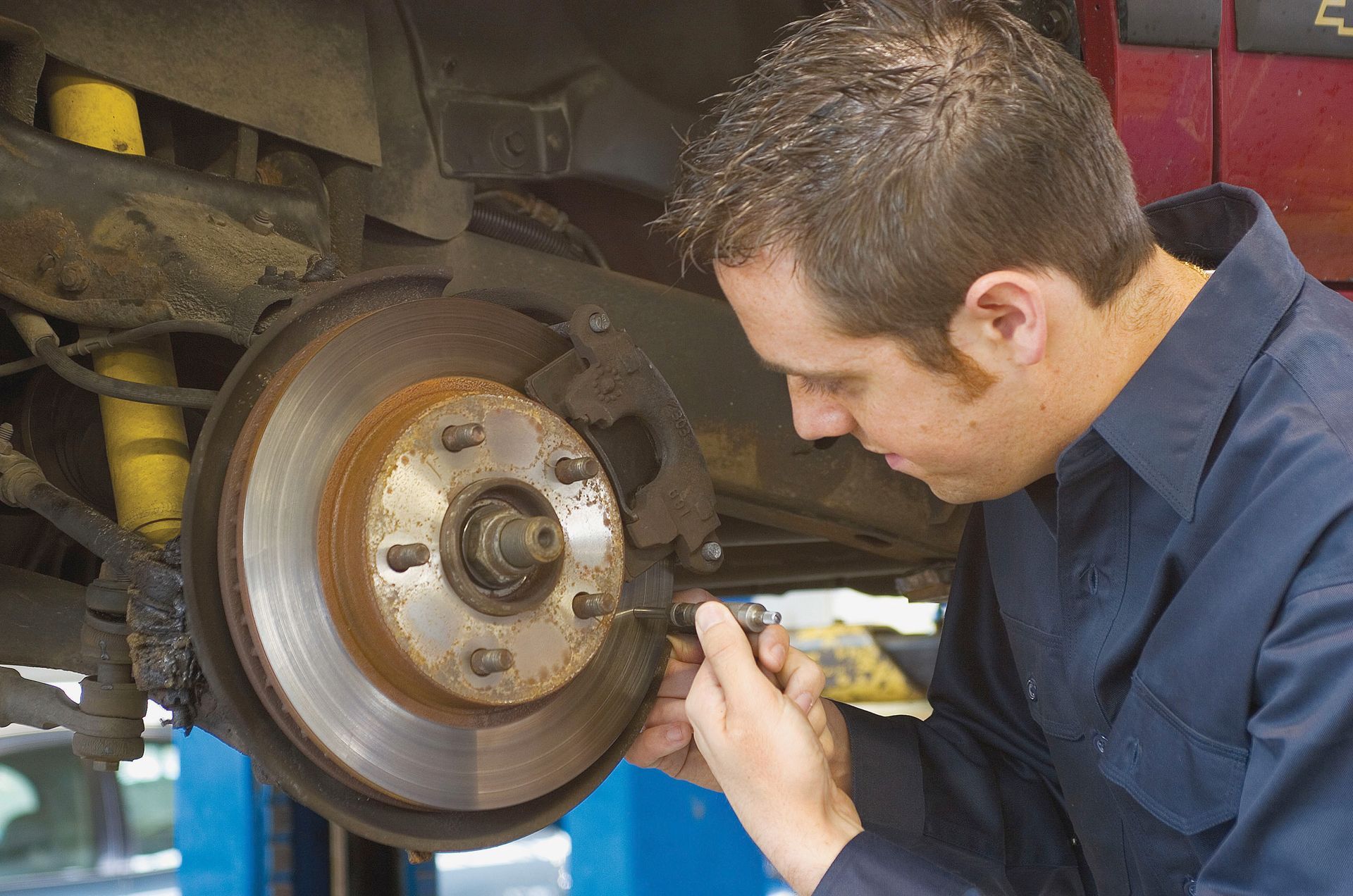
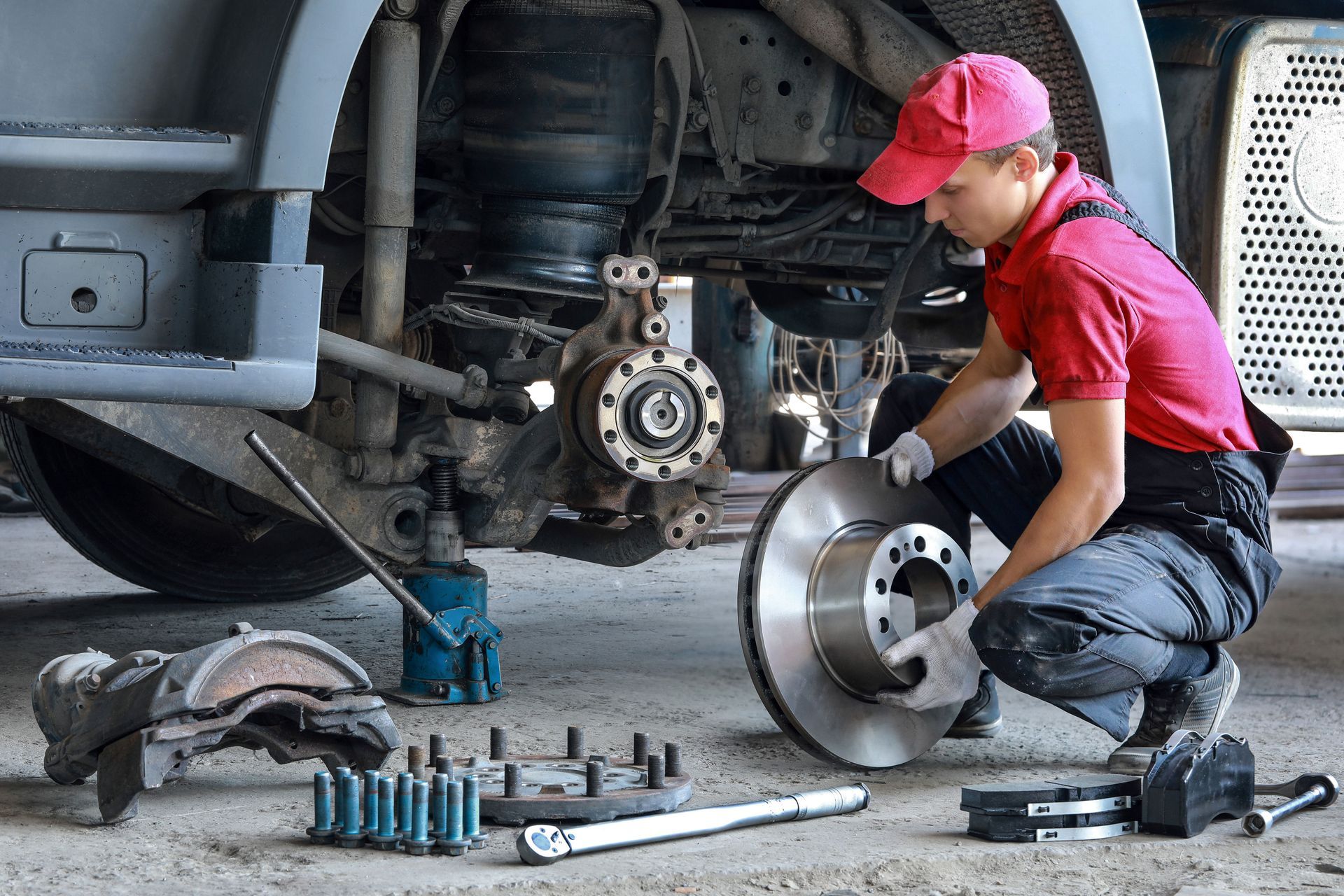
A vehicle's braking system plays an important role in keeping drivers, passengers, and others on the road safe. Over time, regular use can cause brake components to wear down, making it harder for a vehicle to slow down or stop as expected. Recognizing early warning signs can help drivers address problems before they become more serious. Understanding when to seek brake repair can also help maintain reliable vehicle performance and reduce the risk of unexpected issues on the road.
Recognizing Changes in Braking Performance
One of the clearest signs of a potential brake problem is a change in how the vehicle slows down. Drivers may notice that the brakes feel different, respond more slowly, or require more pressure than usual. These changes can indicate wear or another issue that needs attention. A vehicle that takes longer to stop may have worn brake pads, problems with the braking system, or other mechanical concerns. Even a small difference in stopping performance can affect how a driver responds to traffic, especially when another vehicle stops suddenly. Paying attention to these changes can help drivers recognize when the braking system needs to be checked.
The brake pedal can also provide useful information. If it feels unusually soft or sinks closer to the floor when pressed, there may be a problem with the hydraulic system or another component. A pedal that feels unusually hard can also indicate a concern that affects normal braking. Drivers should not ignore changes simply because the vehicle still stops. Braking problems can develop gradually, making them easy to overlook during everyday driving. Seeking professional help when braking performance changes can identify the cause and determine whether repairs are needed.
Identifying Unusual Noises
Unusual sounds when applying the brakes can indicate that a component is wearing down or not working as intended. Squealing, squeaking, grinding, or scraping noises are common warning signs that deserve attention. While some sounds may be less serious, persistent or unusual braking noises should not be ignored. A high-pitched squeal may occur when brake pads become worn. Some pads have built-in wear indicators that create a sound to alert drivers when replacement may be necessary. However, noise can also result from dust, moisture, or other conditions, so the sound alone cannot confirm the source of the problem.
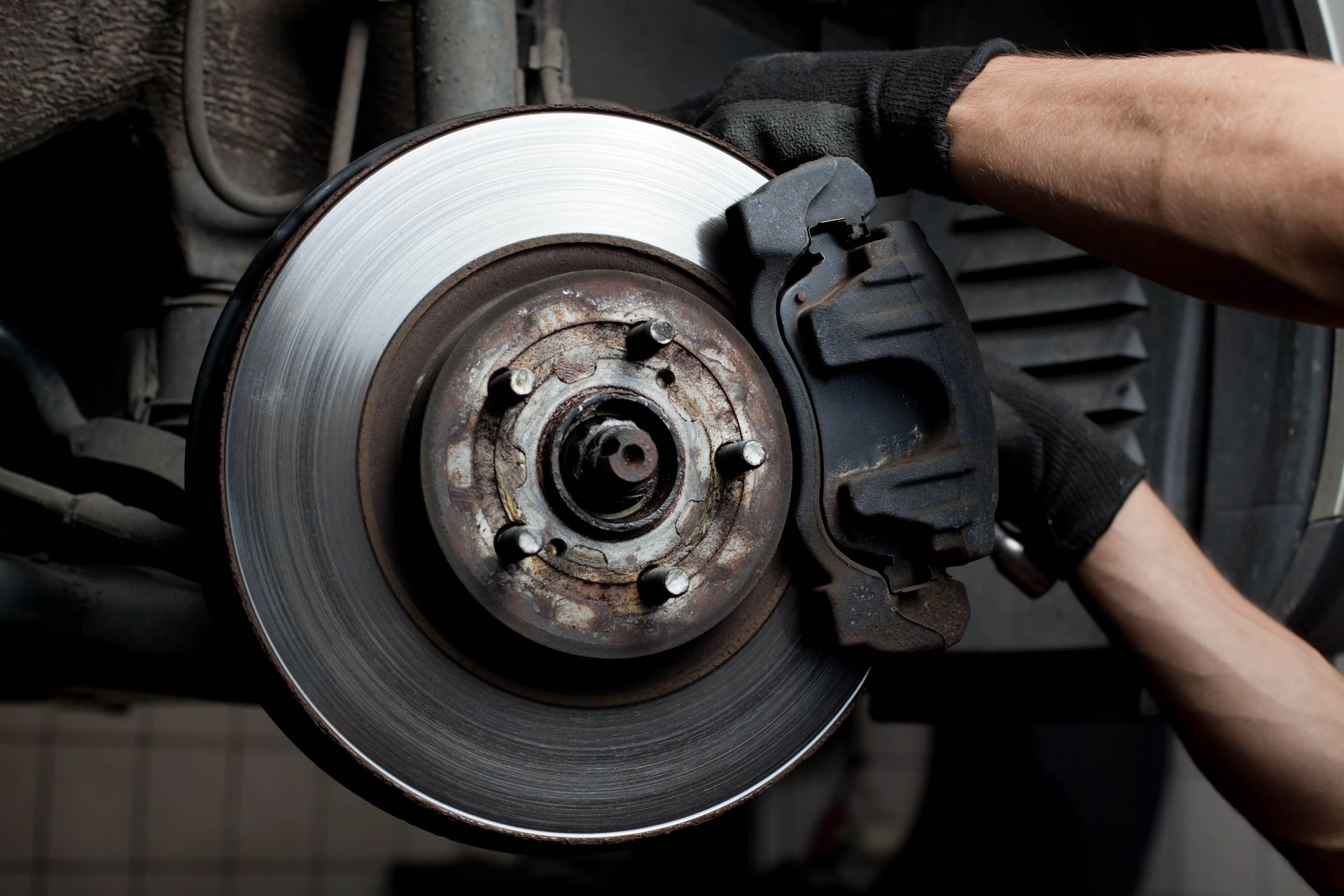
Grinding noises are a serious concern. They may indicate that the brake pads have worn down enough for metal components to make contact. Continued driving under these conditions can damage other parts of the braking system and lead to more extensive repairs. Drivers should also pay attention to sounds that appear suddenly or become louder over time. A vehicle that makes unusual noises whenever the brakes are applied should be inspected to identify the cause. Prompt attention can help prevent a smaller issue from developing into a more costly problem.
Monitoring Vibrations and Shaking
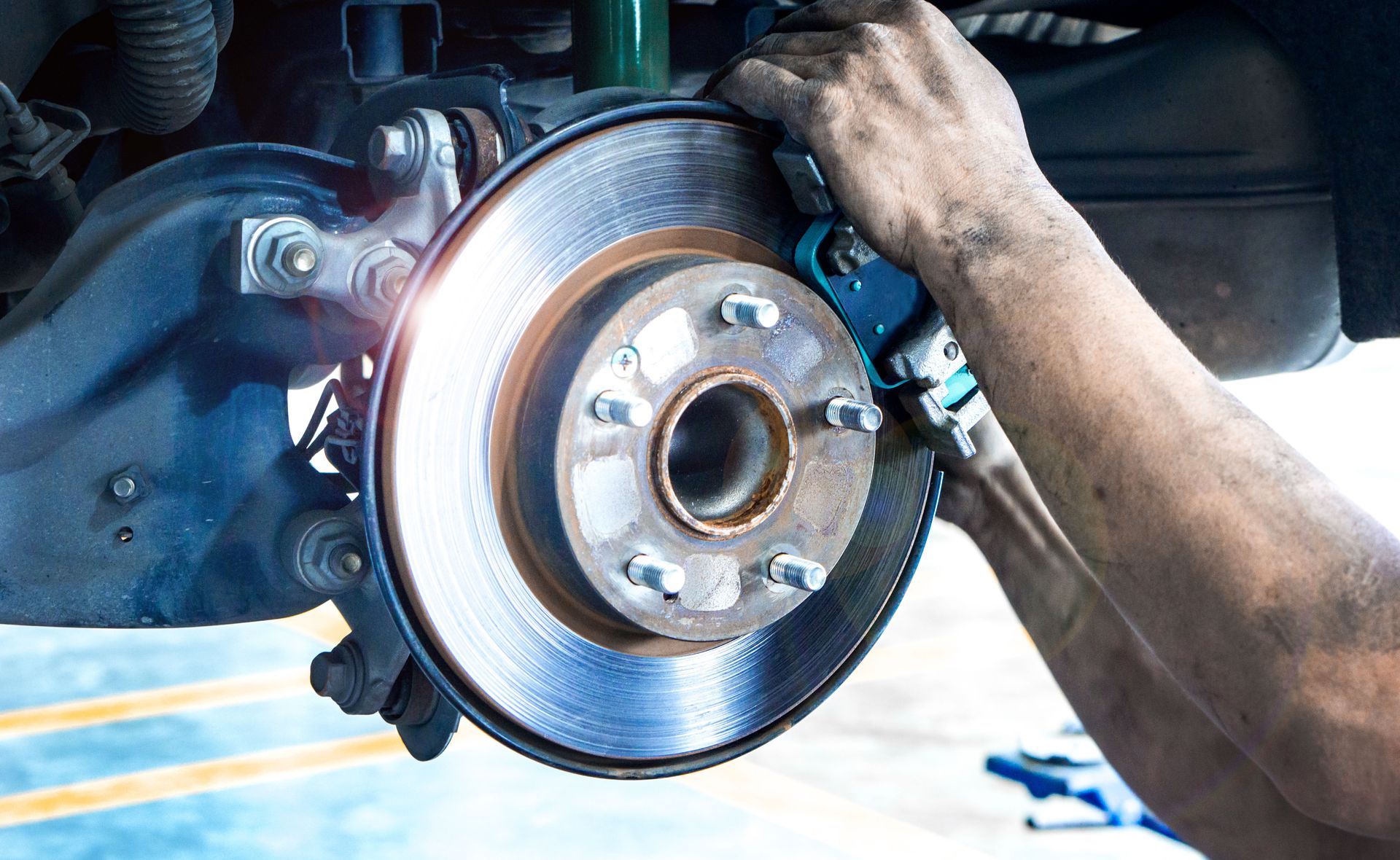
A vehicle should generally slow down smoothly when the brakes are applied. If the steering wheel, brake pedal, or vehicle begins to shake during braking, it may indicate a problem that requires inspection. These vibrations can affect driving comfort and may point to uneven contact between braking components. One possible cause is uneven wear or changes in the surface of the brake rotors. Rotors help create the friction needed to slow the wheels, and their condition affects braking performance. When the surfaces become uneven, drivers may notice pulsing through the brake pedal or shaking as the vehicle slows down.
Vibrations can also come from tires, wheels, suspension, or other mechanical problems. This makes it important to identify the actual cause rather than assuming the brakes are responsible. A professional inspection can help determine whether the issue involves the braking system or another part of the vehicle. Drivers should take new or worsening vibrations seriously, especially when they occur during normal stops. If shaking is severe or braking performance is reduced, it is safer to stop driving when possible and arrange for professional assistance. Addressing the problem early can help maintain smoother and more predictable braking.
Checking for Pulling or Uneven Movement
When a vehicle moves to one side during braking, it may indicate that the braking force is not being applied evenly. Drivers may notice the vehicle pulling left or right when they press the brake pedal. This can make it harder to maintain control, particularly in traffic or on wet roads. Several issues can contribute to this behavior. A brake caliper may not be working properly, brake components may be worn unevenly, or a problem with the tires or suspension may affect how the vehicle responds. In some cases, restricted movement within the braking system can cause one wheel to slow down differently from the others.
Pulling can also occur when tire pressure is uneven or wheel alignment is off. Since multiple vehicle systems can cause similar symptoms, a proper inspection is important for identifying the source. Drivers should not compensate for pulling by simply adjusting how they steer or apply the brakes. The underlying problem may continue to develop and affect vehicle control. Seeking professional help can clarify whether brake repair or another type of maintenance is necessary.
Watching for Warning Lights
Dashboard warning lights provide important information about a vehicle's condition. If a brake warning light appears, it may indicate low brake fluid, a problem with the braking system, or another issue that requires attention. Some vehicles also have warning lights that indicate problems with anti-lock braking systems. A warning light does not always mean the same thing across every vehicle. Drivers should refer to their vehicle's owner's manual to understand what the specific indicator means. However, a brake warning light should never be dismissed simply because the vehicle appears to be operating normally.
If the brake pedal feels different, the vehicle takes longer to stop, or a warning light appears alongside other symptoms, the concern may be more urgent. A problem affecting the braking system can reduce the driver's ability to stop safely. If a brake warning light stays on after the parking brake is fully released, drivers should arrange for the vehicle to be checked. When the warning is accompanied by reduced braking performance, it is best to stop driving as soon as it is safe and seek assistance. Prompt attention can help identify problems before they lead to further damage.
Noticing Changes in Brake Pedal Feel
The brake pedal should respond consistently when pressed. Changes in resistance, travel distance, or responsiveness may indicate a mechanical or hydraulic problem. A soft or spongy pedal can signal air in the brake lines or a fluid leak, while a pedal that sinks gradually requires prompt inspection. Drivers may also notice vibrations or pulsing during stops. While some pulsing is normal when the anti-lock braking system activates, repeated sensations during ordinary braking may indicate an issue. According to Bankrate, car brakes should be serviced every 10,000 to 20,000 miles. Regular inspections can help identify worn components and fluid concerns before they affect braking performance. If the pedal feels unusual or the vehicle does not respond as expected, seek professional help to identify the cause and address the problem safely.
Recognizing changes in braking performance is essential for vehicle safety. Unusual noises, vibrations, pulling, warning lights, or changes in pedal feel may indicate a problem. Seeking professional help can identify the cause and determine the necessary repairs. If braking performance drops significantly, stop driving when safe and arrange for assistance. Regular inspections and timely repairs help maintain reliable braking. Contact Corbo's Automotive Inc to schedule brake repair and keep your vehicle operating safely.